Moisture mapping and a written scope
We identify the wet materials, including hidden moisture, and outline what will be dried, removed, and rebuilt so you can make informed choices before the job ramps up.
Serving Raleigh, North Carolina & surrounding areas
Water Damage Repair · Raleigh, NC
Stop the damage, dry the structure, and get clear documentation for insurance. Our certified technicians respond fast with a written scope and straightforward pricing before major work begins.
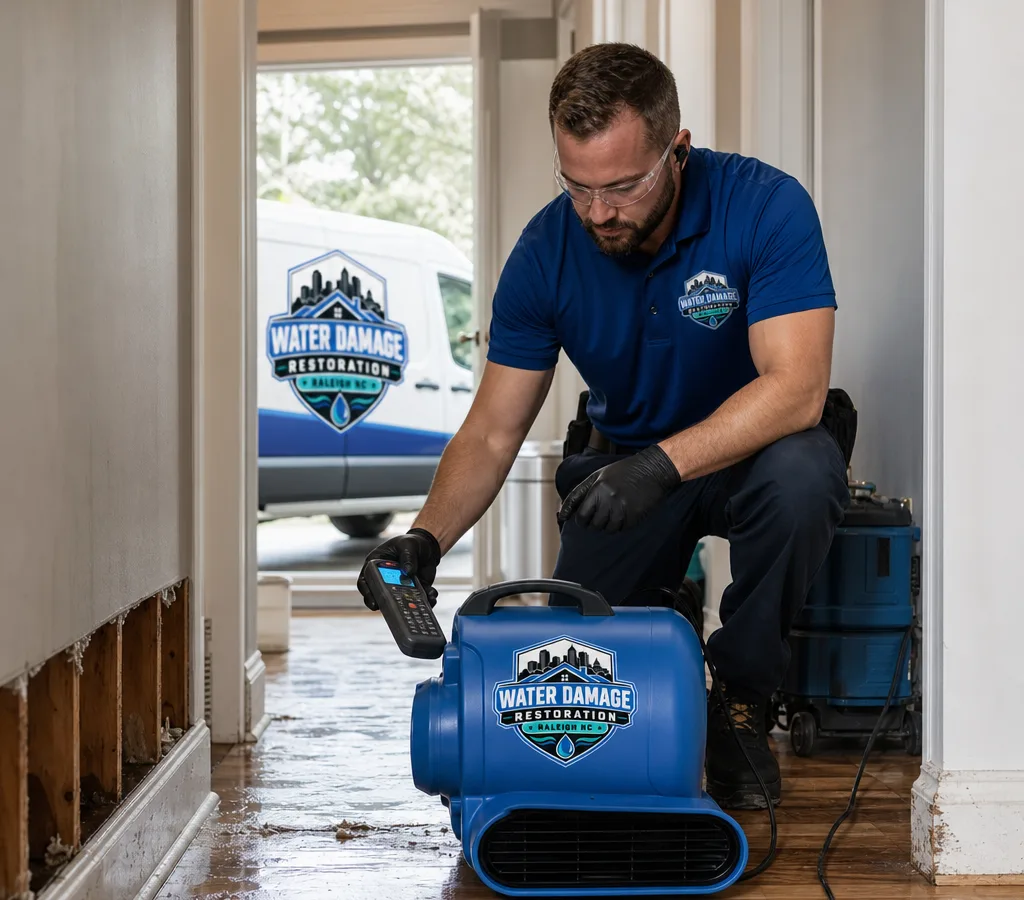
Measure First, Repair Correctly
Water moves fast. In a few hours it can wick into drywall, baseboards, and flooring, and it can also push humid air into wall cavities and insulation. If you are searching for Raleigh water damage repair, you are usually dealing with a leak, a supply line break, an overflow, or storm-related intrusion—and you need a plan that protects the structure, not just the visible surfaces.
Water Damage Restoration Raleigh NC handles the water damage repair Raleigh homeowners rely on when timing matters: stop the source when possible, extract standing water, dry building materials to safe moisture levels, and complete the repairs that return the space to normal. We focus on practical decisions such as what can be dried in place, what must be removed, how long drying will realistically take, and how to document the loss for your insurance adjuster.
Raleigh has a mix of older homes with original plaster or aged plumbing and newer construction with tight building envelopes where moisture can become trapped. Either way, the right approach starts with measurement rather than guesswork: moisture mapping, humidity control, and a drying setup sized to the affected area.
Complete Repair Support
We identify the wet materials, including hidden moisture, and outline what will be dried, removed, and rebuilt so you can make informed choices before the job ramps up.
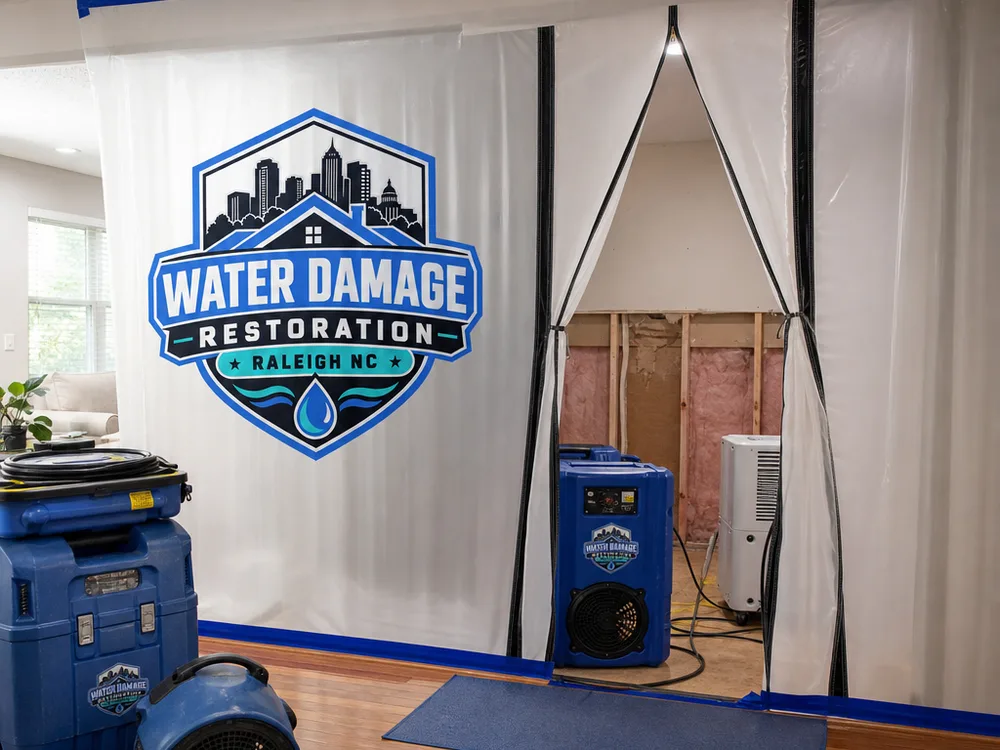
Professional water extraction, dehumidification, and air movement are set up to dry framing, subfloors, and cavities. We track progress with moisture readings, not a calendar guess.
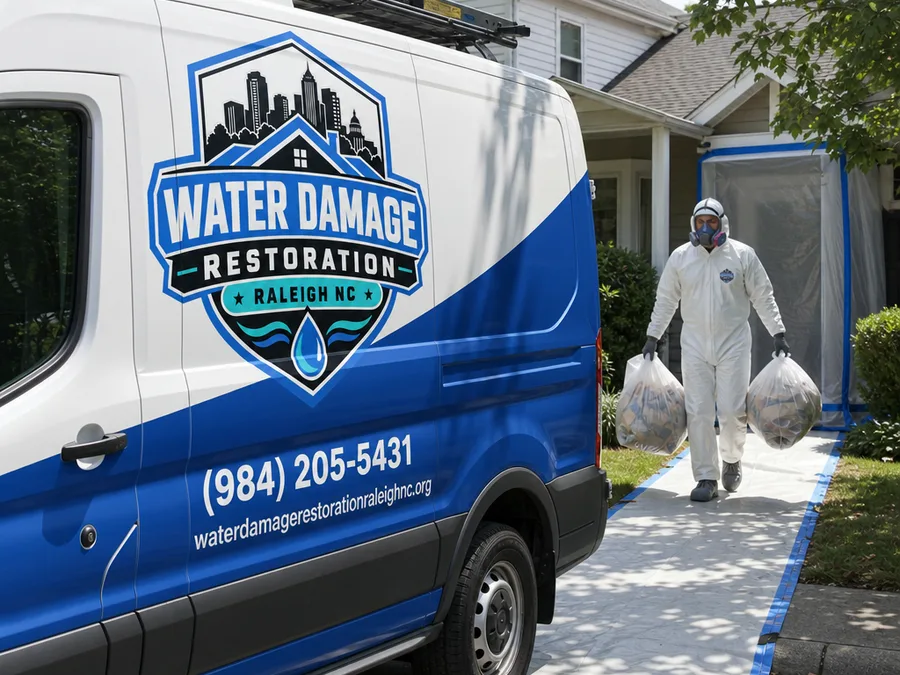
When water has been sitting or materials are already compromised, we use containment practices and cleaning steps that reduce cross-contamination while demolition and drying occur.
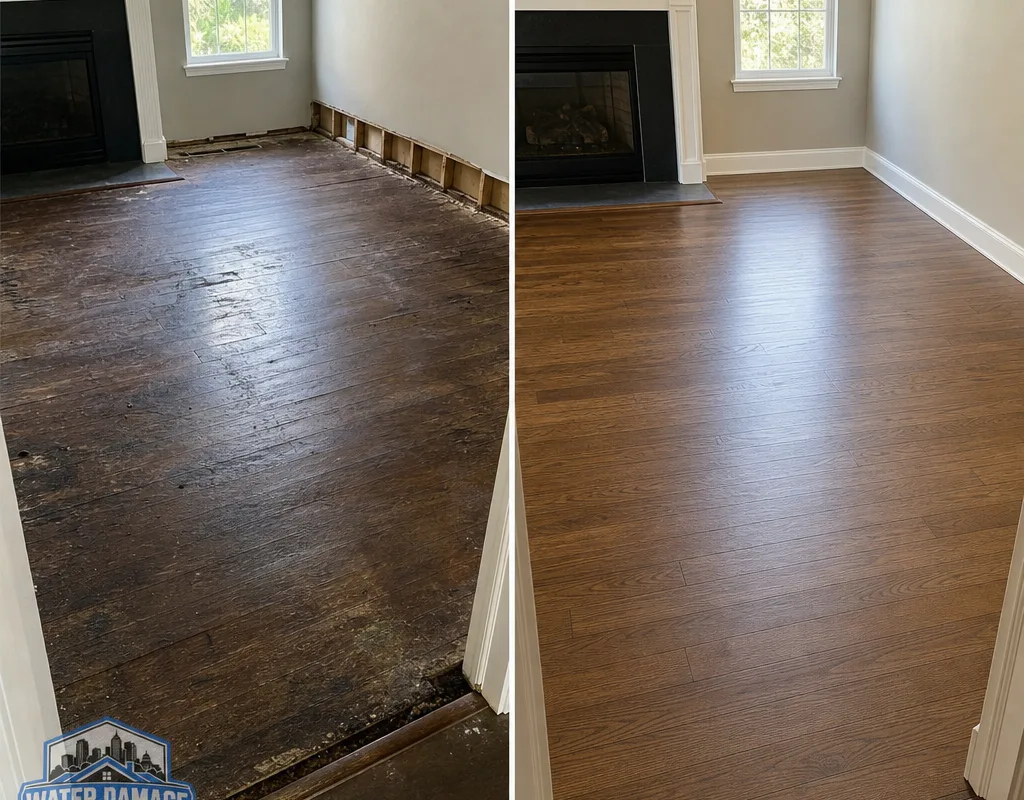
After drying, we handle the repair work that puts the home back together, including drywall, trim, paint-ready finishes, and flooring transitions as needed.
Photos, readings, equipment logs, and itemized notes help support your claim. We work from facts you can share with an adjuster.
You will know what is happening next, what needs access—including closets, cabinets, and crawlspaces—and what decisions affect timeline and cost.
Find Every Wet Material
The biggest risk with water damage is what you cannot see. Water can travel under floating floors, behind baseboards, and down stud bays. A fan pointed at a wet wall is rarely enough.
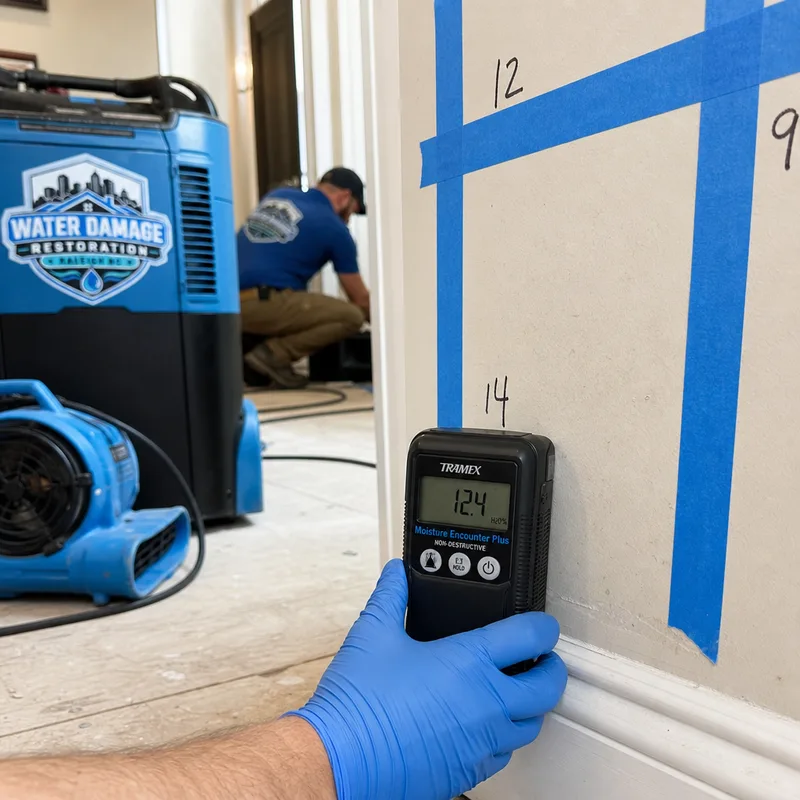
Our process starts by locating the category and likely pathways of water, then confirming conditions with non-invasive moisture meters and targeted checks where needed. We pay special attention to bathrooms and kitchens where water can migrate around cabinets, and to lower levels where water can collect in subfloors.
In Raleigh, homes near wooded lots or with shaded elevations can stay humid, which slows drying if the space is not controlled. That is why we size dehumidifiers to the affected volume and manage air movement to avoid pushing moisture deeper into cavities.
Broader water damage restoration in Raleigh often includes the same drying and documentation steps, with scope depending on how far the water spread.
From Triage to Rebuild
Each stage is guided by current conditions and moisture readings so drying and repair decisions follow the actual loss.
Request Emergency ServiceWe start with the immediate risks: stopping the water source if accessible, checking for slip hazards, and discussing power shutoff if outlets or panels may have been exposed.
We document affected rooms and take moisture readings so the drying plan matches the real spread. This is where we decide what can be saved and what needs removal.
Standing water is extracted, then we set air movers and dehumidifiers to dry structural materials. We also manage humidity so drying is steady rather than surface-only.
If drywall, insulation, padding, or cabinetry components cannot be dried safely, we remove them in a controlled way to open cavities and prevent lingering moisture.
We re-check moisture levels and adjust equipment placement as conditions change. Documentation is maintained for you and, when applicable, for an insurance claim.
Once drying goals are met, we complete repairs such as drywall, trim, and paint-ready finishes, then review the repaired areas and any maintenance recommendations.
Understand the Scope
Water damage repair in Raleigh typically ranges from about $900 to $6,500+, depending on how far the water spread and whether demolition and rebuilding are needed. A small, clean-water incident limited to one room is often on the lower end, while water that reached multiple rooms, affected flooring and cabinets, or required wall opening and drying runs higher.
Final pricing depends on moisture extent, material types such as hardwood, tile, and drywall, access to wet cavities, equipment days for dehumidifiers and air movers, and any required rebuild work. The exact cost is confirmed after an on-site inspection and moisture mapping.
Drying and Repair in Practice
Customer Experiences
★★★★★“A supply line leaked while we were out and the water got under the flooring. They mapped moisture in every room that was at risk, explained what had to come out, and kept us updated as the readings came down. The repaired drywall and trim blended in like it never happened.”
★★★★★“We had an overflow that soaked the cabinet toe-kicks and part of a wall. The crew showed photos and a clear scope, then drying started the same day. The documentation made the insurance conversation much easier.”
Practical Answers Before Work Begins
You should start mitigation and drying as soon as you can, ideally the same day, because wet drywall, wood, and insulation can deteriorate quickly and moisture can spread into adjacent rooms. Even if the visible water looks minor, hidden moisture behind baseboards and under flooring is common, so an inspection and moisture mapping step is the safest starting point.
Drywall can sometimes be dried if it is not swollen, crumbling, or contaminated and if the wet area is limited, but many situations require removal to open the wall cavity and dry framing correctly. The decision is based on moisture readings, how long the material has been wet, and the water source, not just how it looks on the surface.
Most residential drying setups run about 3 to 5 days, but the timeline can be shorter for small, clean-water incidents and longer when multiple rooms, dense materials, or trapped cavities are involved. In Raleigh's humid conditions, dehumidification and airflow control matter, and we monitor moisture levels to determine when drying goals are met.
Yes. We document the affected areas with photos, moisture readings, and notes on equipment use and material removal so you have a clear record to share with your adjuster. Insurance coverage depends on your policy and the cause of loss, but thorough documentation helps keep the claim focused on verifiable conditions.
If it is safe, stop the water source, avoid using outlets in wet areas, and move valuables away from the wet zone. Do not pull up flooring or open walls unless you are confident it can be done safely, because disturbing wet materials can spread contamination and complicate drying; we can guide next steps after we assess the extent.
Yes. Older materials often need a more careful approach because plaster can hold moisture differently than drywall and hardwood can cup or buckle if moisture is trapped underneath. We use moisture mapping to determine whether drying in place is viable or whether selective removal is needed to protect the structure and reduce the chance of recurring issues.
Start With Moisture Mapping
Tell us what happened and where the water is showing up. We will inspect, map moisture, and provide a written scope that prioritizes safe drying and durable repairs for your Raleigh home.