Stabilization and debris handling
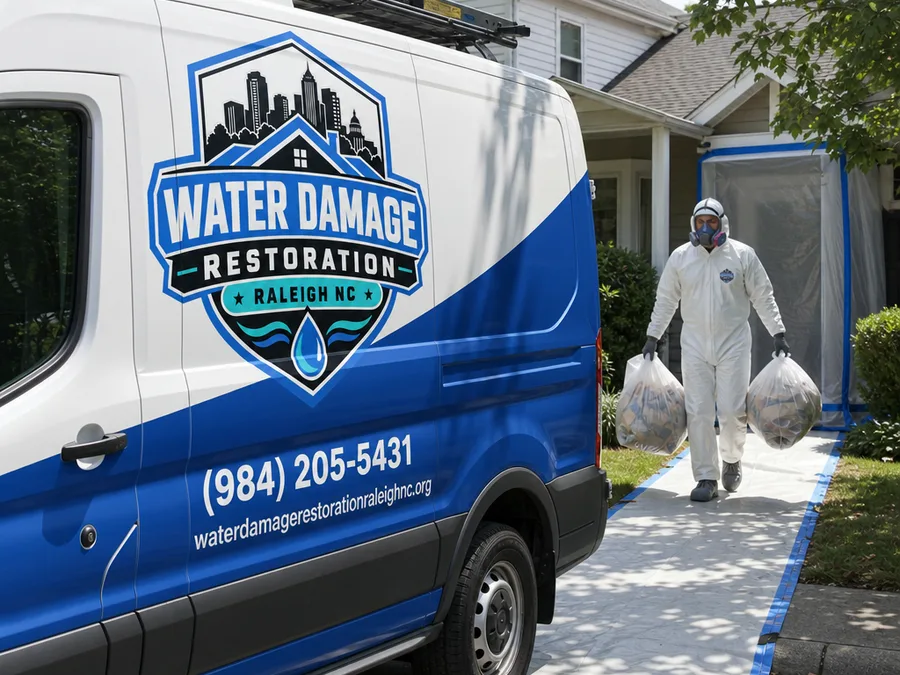
We secure the affected areas, remove damaged materials as needed, and keep the worksite controlled so soot and odors do not spread to clean rooms.
Serving Raleigh, North Carolina & surrounding areas
Fire Damage Restoration · Raleigh, NC
Fast, careful cleanup after a fire: soot and smoke removal, odor control, debris handling, and repair planning to get your home or business stable again.
Safety, Stabilization and Scope
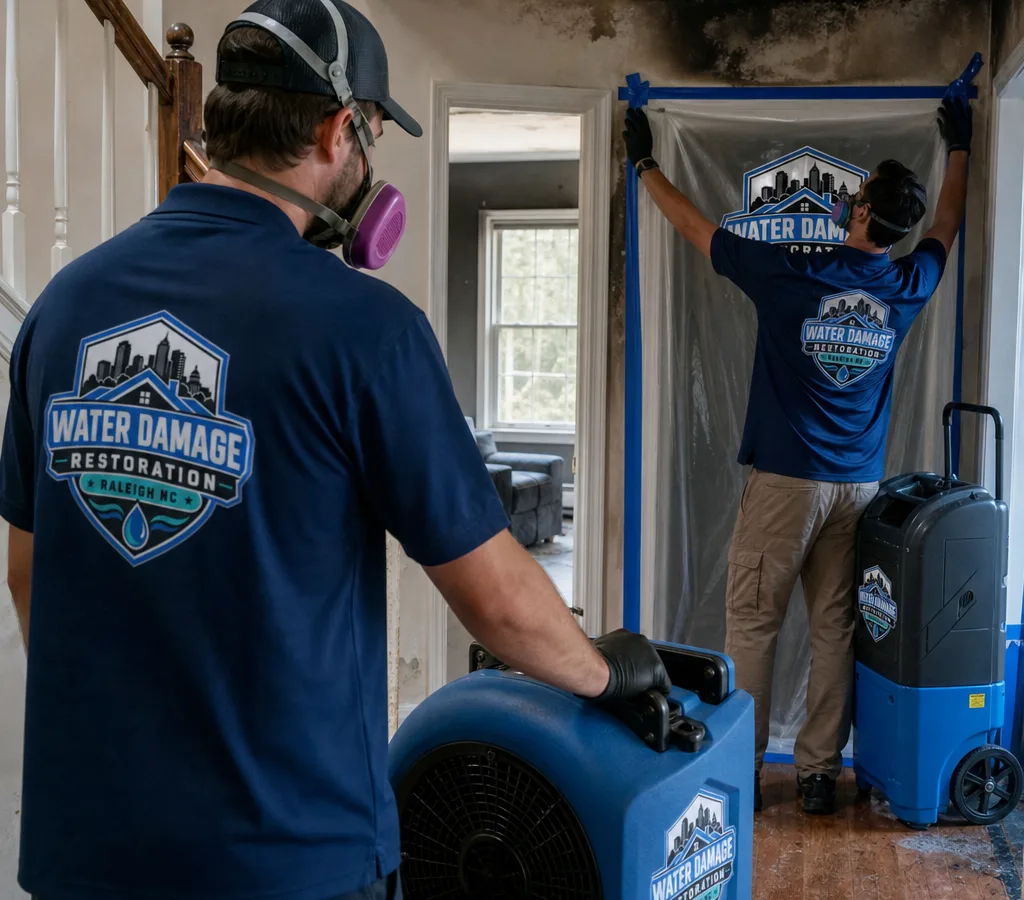
Fire damage restoration Raleigh NC usually starts with making the property safe and stopping damage from spreading. Even a small, contained fire can leave acidic soot, smoke residue inside HVAC returns, and odor that settles into porous materials.
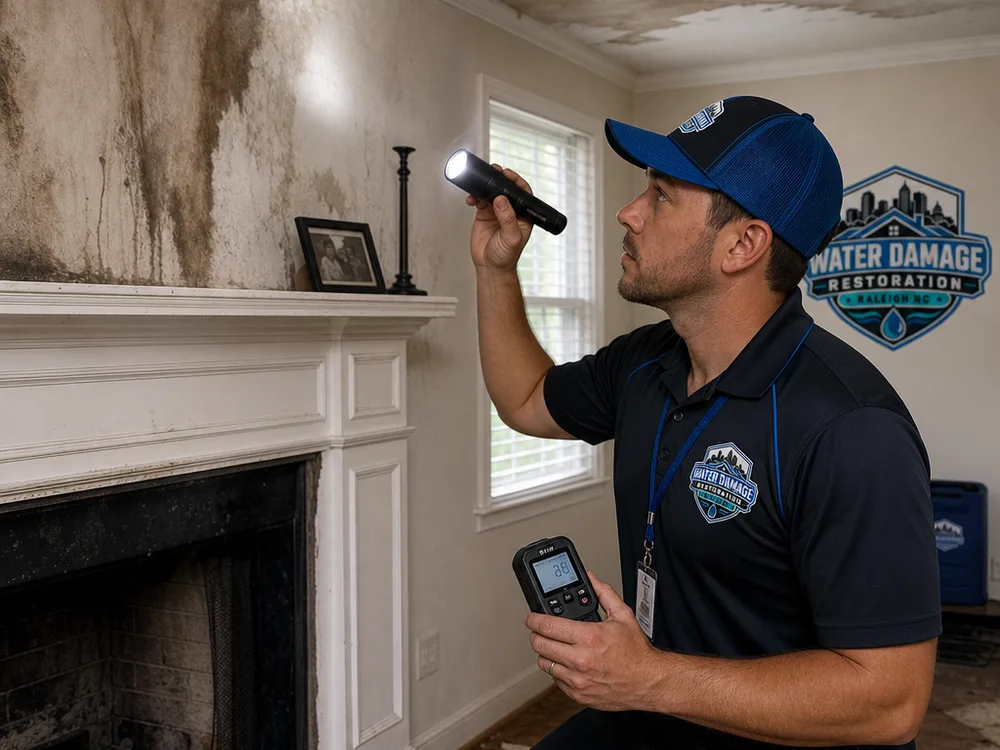
Our process begins with an on-site inspection to identify:
From there, we build a written scope so you know what work is required right now—stabilization and cleaning—versus what can be scheduled, including repairs and rebuild. When firefighting water is present, drying and dehumidification can run in parallel with soot cleanup.
Controlled Residue Removal
Soot is not just dust. It is a fine, often oily residue that can smear and permanently stain when handled the wrong way. Proper fire damage restoration in Raleigh focuses on controlled removal and air cleaning first, then detailed surface work.
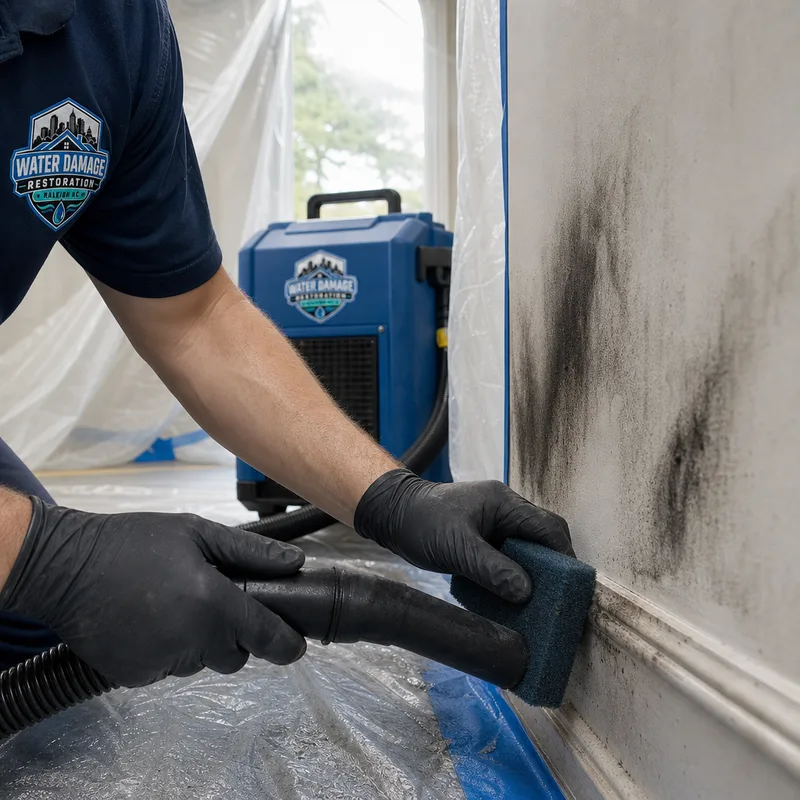
Typical steps include containment to keep soot from migrating, HEPA air filtration, and source removal. Depending on the surface and residue type, cleaning can involve dry sponging, HEPA vacuuming, and wet cleaning with appropriate agents.
We also address hidden areas that commonly hold odor and residue:
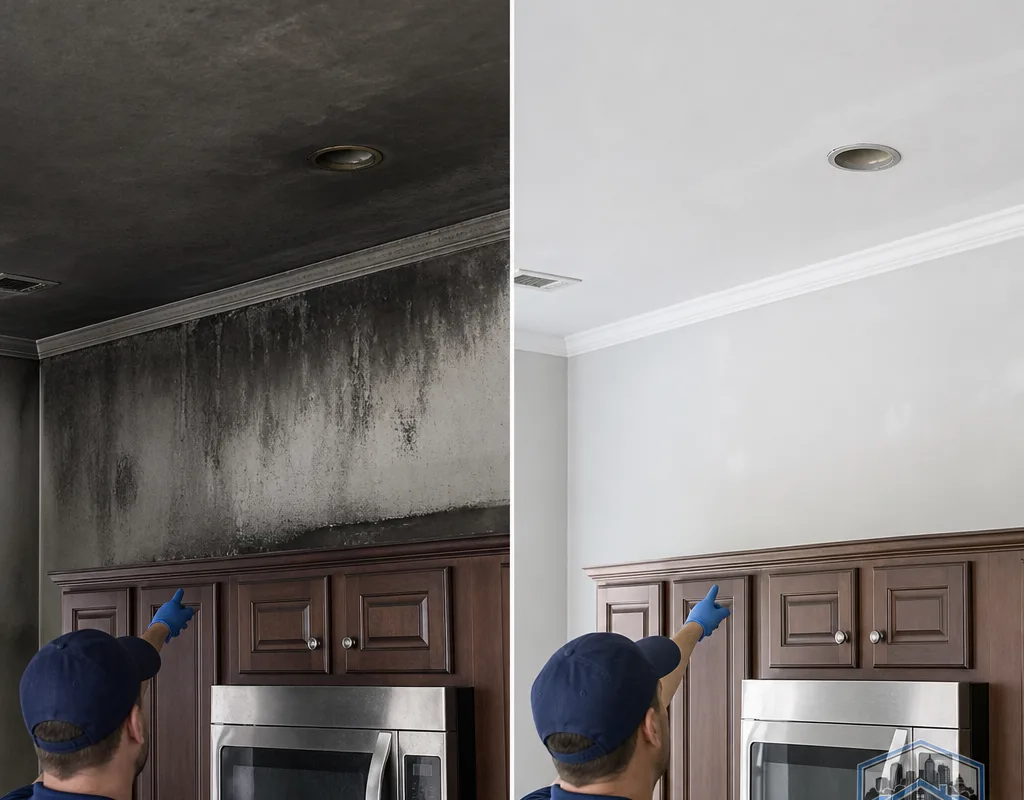
After cleaning, we verify results with a walkthrough and, when appropriate, confirm that odors are controlled before repairs begin. That avoids painting or rebuilding over contamination that can bleed through later.
Complete Property Recovery
We secure the affected areas, remove damaged materials as needed, and keep the worksite controlled so soot and odors do not spread to clean rooms.
Odor treatment depends on where the smoke settled. We use targeted methods so the solution matches the material, including soft goods, framing, ducts, and contents.
We help sort what can be cleaned, what should be disposed of, and what should be documented for insurance, with practical guidance during a stressful time.
After cleaning and drying, we outline repair needs and sequencing so you can make informed decisions about contractors, timelines, and next steps.
Older homes in and around areas like Five Points and Historic Oakwood can have plaster, older trim profiles, and layered finishes that require more careful cleaning and repair planning than newer materials.
Inspection Through Repair Planning
Each stage controls a different risk—from immediate safety and airborne soot to lingering odor and the transition into repairs.
Request Emergency ServiceWe assess fire, smoke, and soot impact, look for water-related moisture issues, and identify any immediate safety hazards that should be handled before work proceeds.
We isolate affected areas and run HEPA air filtration to reduce airborne particles during cleaning. This is especially important when soot is present outside the burn room.
We remove loose soot first, then clean walls, ceilings, trim, floors, and fixtures using methods appropriate to the residue and material to prevent staining or spread.
We treat odor at the source and confirm results before repairs. Odor that remains after cleanup typically points to a hidden reservoir such as insulation, framing cavities, or HVAC pathways.
We provide documentation of affected areas and completed work and help you plan the next phase, whether that is selective rebuild or a broader repair scope.
Planning the Scope
Fire damage restoration in Raleigh typically ranges from about $3,000 to $25,000+, depending on how far smoke and soot traveled, how much debris must be removed, and whether there is water damage from suppression. A small, contained incident with light soot may fall near the lower end, while a multi-room loss with heavy residue, odor penetration, and selective demolition trends higher.
Final pricing changes most with square footage affected, surface types, HVAC involvement, disposal needs, and rebuild coordination. The exact cost is confirmed after an on-site inspection and a written scope of work.
Controlled, Verifiable Cleanup
Customer Experiences
★★★★★“The fire was mostly contained to one room, but the smoke smell was everywhere. They explained what would and would not clean up, set up filtration right away, and the house stopped smelling like smoke before repairs even started.”
★★★★★“I appreciated the written scope and the walkthrough. It was clear where soot had traveled and why certain items had to be removed instead of cleaned.”
Practical Answers After a Fire
Cleanup should start as soon as the property is released as safe to enter, because soot residue is acidic and can stain and corrode surfaces over time. Early steps like containment, HEPA air filtration, and dry soot removal help prevent residue from spreading into clean areas and reduce odor absorption into soft materials.
Smoke odor can usually be removed when the source is fully addressed, but it requires more than spraying fragrance. Effective deodorization starts with thorough soot removal, then treating materials that hold odor, including soft goods, insulation, unfinished wood, and sometimes HVAC pathways. Persistent odor usually indicates a hidden reservoir requiring targeted removal or sealing.
Not always, but porous materials may need removal when soot and odor have penetrated beyond the surface or heat has compromised them. Drywall in light-smoke areas can sometimes be cleaned and sealed with the right primer, while insulation near the affected area often holds odor and may be better replaced for reliable results.
If it is safe and permitted to enter, ventilate only when doing so will not spread soot. Avoid wiping soot from walls or ceilings because it can smear and embed. Turn off HVAC if it was running during the incident to avoid pulling soot through returns, and keep pets and children out of affected rooms until containment is in place.
Many homeowner and commercial property policies include coverage for fire, smoke, and related cleanup, but coverage depends on the policy and cause of loss. We provide clear notes and scope details commonly needed during the claim process and can coordinate around adjuster requirements when applicable.
A small, contained cleanup can take a few days, while multi-room smoke damage with demolition, drying, and odor control can take one to several weeks before rebuild work is complete. The biggest timeline drivers are how far smoke traveled, whether water drying is required, and whether specialty cleaning or material replacement is needed.
Start With an On-Site Inspection
If you need fire damage restoration Raleigh residents can count on, start with an inspection and a written scope. We will explain what needs to happen now, what can wait, and how to move from cleanup to repairs without carrying soot and odor forward.